

By The Kenwood by Senior Star
Key Takeaways
- Limited mobility affects grip strength, joint flexibility, and kitchen safety.
- Electric can openers and ergonomic manual options reduce strain and effort.
- Adaptive utensils like weighted forks and rocker knives enhance independence.
- The right adaptive tools can help you or your loved one maintain confidence, safety, and joy in the kitchen regardless of mobility changes.
Kitchen Independence Challenges for People with Limited Mobility
Using a can opener is something most people don’t think twice about – until it becomes difficult. Now, that same can opener feels heavy in your hands, and your grip doesn’t feel as strong as it once did. Limited mobility affects your ability to perform everyday kitchen tasks, but adaptive utensils and supportive environments can help you maintain independence and confidence in the kitchen.
When your hands don’t work quite like they used to, simple tasks become challenging. You might notice your fingers feel stiff in the morning or your wrists ache after chopping vegetables. These changes are natural, and at The Kenwood by Senior Star, our associates understand that all lifestyles should support your desire to maintain quality of life with the right tools and environment for cooking and dining.
How Limited Mobility Affects Daily Kitchen Tasks
Reduced grip strength makes it harder to hold traditional utensils securely. You might find yourself struggling to twist open jar lids or squeeze the handles of standard can openers. Your fingers may not wrap around thin handles the way they used to, making simple tasks feel frustrating.
Joint stiffness creates movement limitations that affect your range of motion. Reaching into deep cabinets becomes uncomfortable, and repetitive motions like stirring or cutting can cause pain. Your wrists, knuckles, and shoulders need more support during kitchen activities.
Safety concerns grow when traditional utensils don’t feel secure in your hands. Slippery handles can cause accidents, and tools that require excessive force put unnecessary strain on your joints. Sharp knives become harder to control when your grip isn’t steady. Activities of daily living become more manageable when you have the right adaptive tools.
Adaptive Can Openers That Make Life Easier
Electric Can Openers
One-touch operation eliminates the need to squeeze and twist repeatedly. You simply press a button, and the opener does the work for you. This reduces strain on your hands and wrists while giving you consistent results every time.
Hands-free can removal means you don’t have to grip the can while it opens. The machine holds everything in place, so you can step back and let it finish. Counter-stable design features keep the opener steady during use, preventing wobbling or sliding that could cause spills.
Ergonomic Manual Options
Large grip handles fit comfortably in your palm and require less finger strength to operate. These handles distribute pressure evenly across your hand, reducing hotspots and discomfort during use.
Side-cutting blade technology cuts through the side of the can instead of the top, creating smoother edges and requiring less downward pressure. Lightweight construction materials reduce the overall weight you need to support, making the tool easier to maneuver. Gentle exercises can also help maintain the hand strength you need for kitchen tasks.
Essential Adaptive Utensils for Your Kitchen
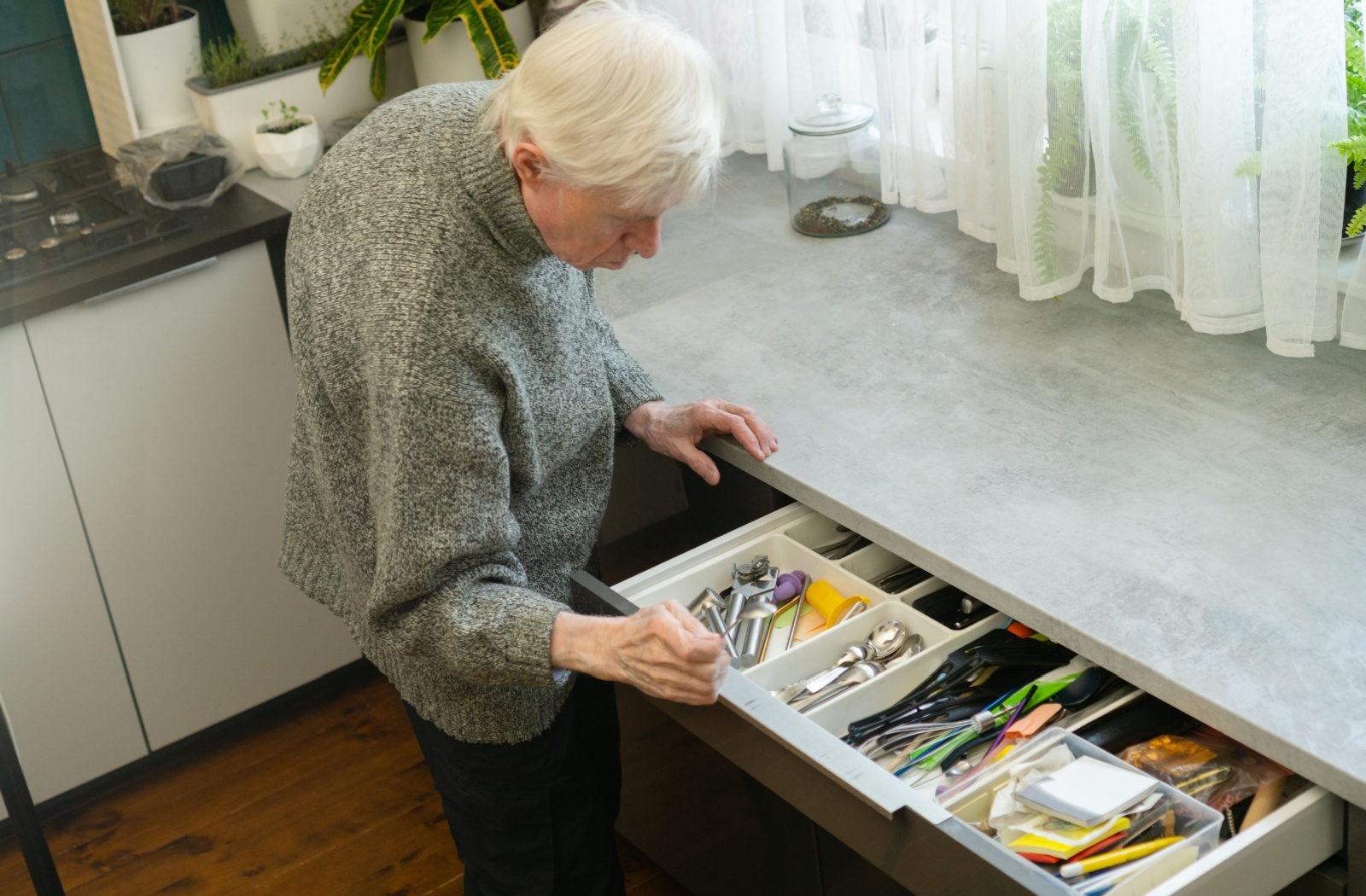
Eating Utensils
Weighted forks and spoons provide stability and reduce hand tremors during meals. The extra weight helps steady your movements, making it easier to bring food to your mouth without spilling.
Bendable handle designs allow you to customize the angle of your utensils to match your comfortable hand position. Non-slip grip surfaces prevent the utensils from sliding in your hands, even when they’re wet or when your grip feels weaker.
Cooking and Prep Tools
Rocker knives let you cut with a gentle rocking motion instead of sawing back and forth. You can use one hand to operate them, and they require minimal downward pressure to slice through food effectively.
Jar openers with leverage multiply your grip strength, making stubborn lids easy to remove. Easy-grip measuring cups feature large handles and clear markings that help you cook with confidence and accuracy. Healthy meal planning becomes easier when you have the right tools to prepare nutritious foods.
How the Right Tools Support Your Kitchen Independence
Finding the right adaptive tools starts with paying attention to which specific tasks feel most challenging. Is it gripping and twisting? Repetitive chopping motions? Lifting heavier pots and pans? Naming the challenge helps you narrow down which category of adaptive tool to explore first.
Many adaptive utensils are available through medical supply stores and online retailers. Reading reviews from others with similar mobility challenges can help you identify what’s worth trying before you commit to a purchase.
Kitchen safety assessments can also help identify which adaptive tools would benefit you most. Occupational therapy connections give you access to professionals who understand how to match the right equipment to your specific needs and preferences.
Your Next Steps to Kitchen Comfort and Safety
Start by identifying which kitchen tasks feel most challenging for you right now. Notice when your hands feel tired or when you avoid certain cooking activities because they seem too difficult.
Visit local medical supply stores or browse retailers that specialize in adaptive kitchen tools. Many products are available to try in store, and online reviews from people with similar mobility challenges can help guide your decisions.
At The Kenwood by Senior Star, we understand that maintaining independence in the kitchen and at the table contributes to your overall sense of purpose and joy. We offer resources, compassionate caregiving, and supportive environments where you or your loved one can continue celebrating the activities you love.
Contact us to learn how we can help you create a comfortable, safe space where cooking remains a source of satisfaction and connection.