

Key Takeaways
- Wearable devices can help older adults stay safe, connected, and more independent throughout daily life.
- Fall detection, GPS tracking, and health monitoring tools give families more visibility without feeling intrusive.
- The best wearable devices are comfortable, easy to use, and designed for consistent daily wear.
- Different devices support different needs, from emergency alerts to communication and memory support.
- Wearable technology can complement the support and connection already available in senior living communities.
What Wearable Tech Can Mean for Your Loved One
Staying connected to an aging parent or loved one can sometimes feel like a balancing act. You want them to feel independent and confident in their daily routine, but you also want reassurance that support is available when it matters most. For many families, wearable technology has become one practical way to bridge that gap without making everyday life feel overly monitored or clinical.
Today’s wearable devices do far more than count steps or track exercise. Some detect falls, monitor heart rate patterns, share location updates, or alert family members during an emergency. Others simplify communication and daily routines for older adults living alone or navigating cognitive changes. Either way, choosing the right device starts with understanding how these tools fit into real life and what kind of support they can realistically provide.
The Most Common Types of Senior-Friendly Wearable Devices
Wearable technology comes in many forms, and different devices serve different needs. Some focus on emergency response and safety, while others help track health trends or improve communication between older adults and their families.
Fall Detection Devices
Fall detection devices are designed to recognize sudden movement changes and automatically send alerts when a fall may have occurred. Most are worn as watches, pendants, or lightweight bracelets. Many include emergency response features that contact family members or emergency services without requiring the wearer to press a button. This can be especially helpful for older adults who live alone or have mobility concerns.
Smart Watches for Health Monitoring
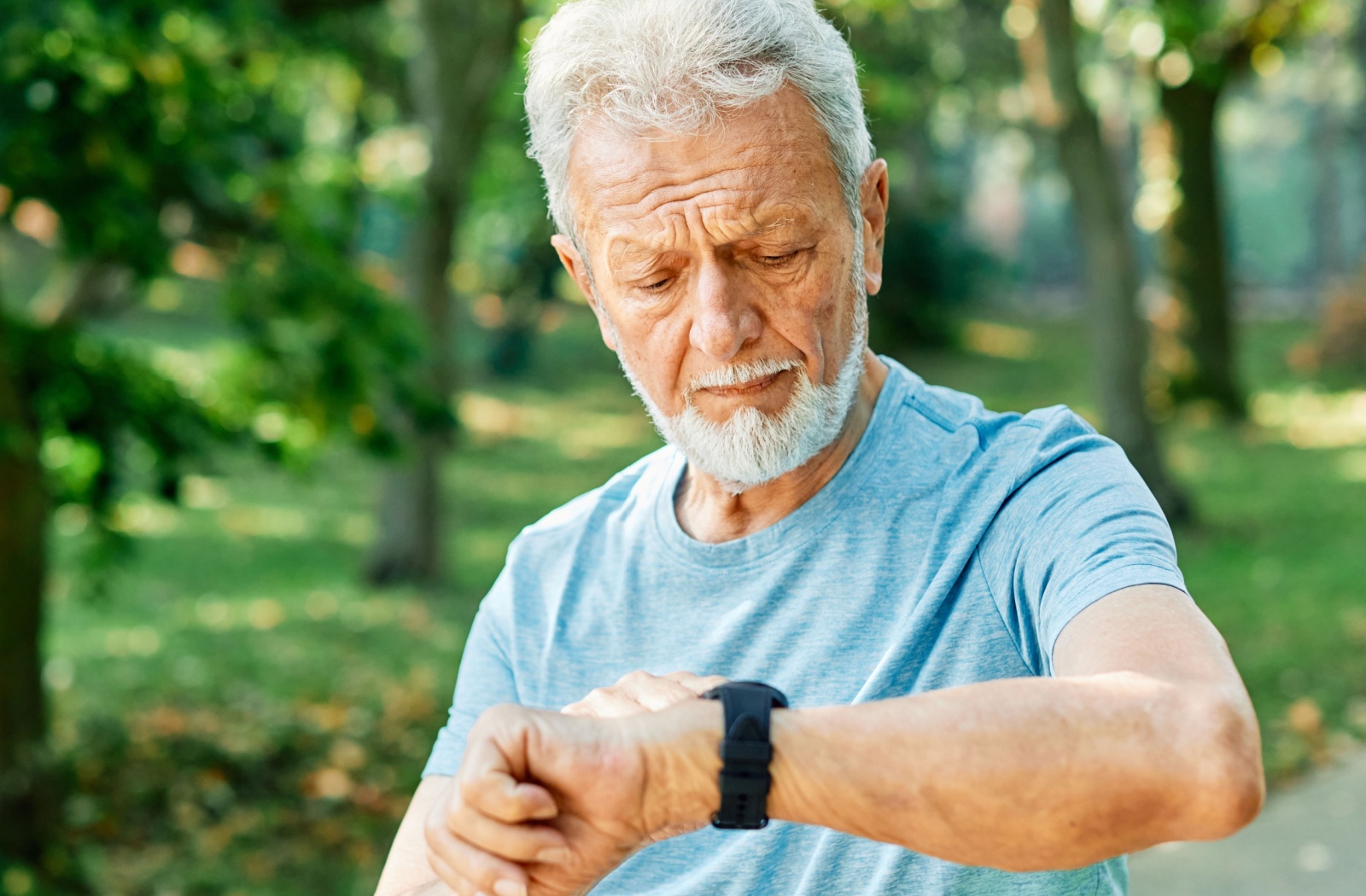
Smart watches designed for older adults can track daily wellness information like heart rate, activity levels, sleep patterns, and movement trends. Some models also provide medication reminders, hydration alerts, or irregular heartbeat notifications. These tools can help families notice changes in routine or behavior earlier. Many smart watches sync directly with smartphones, allowing loved ones to receive updates through an app.
GPS Tracking Wearables
GPS-enabled wearable devices help families stay aware of a loved one’s location when safety or wandering concerns become more common. This type of technology is often used for older adults who enjoy independent outings or those experiencing mild cognitive changes. Location sharing can provide reassurance without creating constant interruptions throughout the day.
Medical Alert Pendants and Bracelets
Medical alert pendants and bracelets continue to be trusted safety tools for older adults, offering added peace of mind for both individuals and families. Most make it easy to quickly connect with emergency support at the press of a button, and many newer options now include features like automatic fall detection and coverage beyond the home. These devices are thoughtfully designed to be simple, dependable, and easy to use in everyday life.
What Features to Look for in Wearable Devices for Seniors
Not every wearable device is designed with older adults in mind. Some prioritize advanced technology features while overlooking comfort, readability, or ease of use. The most effective devices are usually the ones that feel simple, reliable, and comfortable enough to become part of a person’s normal routine.
When comparing wearable devices, you’ll want to look for options that have:
- Comfortable, lightweight designs
- Long battery life
- Easy-to-read screens and controls
- Water resistance for everyday use
- Emergency alert capabilities
- GPS tracking or location sharing
- Smartphone connectivity for family updates
- Simple charging systems
A wearable device should reduce stress, not add more frustration to the day. Finding the right balance between useful features and everyday practicality often leads to better long-term use and more consistent support.
How to Choose the Right Device for Your Loved One
The best wearable technology depends on your loved one’s routine, comfort level with technology, and day-to-day support needs. Some people may want a simple emergency alert system, while others benefit from health monitoring or communication features.
Wearable Devices for Fall Detection
Fall detection devices are designed to respond quickly when an accident happens. Many watches and pendants can automatically send alerts to family members or emergency responders without requiring the wearer to press a button. For older adults with mobility concerns, this kind of support can add confidence to everyday routines.
Wearable Devices for Seniors Living Alone
Older adults who live alone often benefit from wearable devices that combine safety and communication features. GPS tracking, emergency alerts, and wellness monitoring can help families stay informed while still respecting independence. The best devices feel simple and unobtrusive rather than overwhelming or difficult to manage.
Wearable Devices That Keep Families Connected
Some wearable devices are designed to make communication easier between older adults and their loved ones. Shared apps, wellness updates, and emergency notifications can help families stay informed without relying on constant phone calls throughout the day. This creates a more natural sense of connection while still giving older adults space and independence.
Wearable Devices for Memory and Cognitive Support
Wearable technology can also support older adults experiencing memory or cognitive changes. GPS-enabled devices, medication reminders, and emergency contact features may help families respond more quickly when concerns arise. The most effective devices are simple, comfortable, and easy to understand during everyday routines.
Supporting Safety and Independence With the Right Tools
Wearable technology works best when it supports daily life in a way that feels natural and respectful. The right device can help older adults stay active, connected, and more confident in their routine while also helping families feel more informed about their loved one’s well-being. Small tools often make a meaningful difference when they fit comfortably into everyday habits and relationships.
At Harrison On 5th by Senior Star, thoughtful support goes beyond technology alone. Families often find the strongest sense of reassurance through a combination of meaningful connection, personalized support, and practical tools that help older adults maintain their independence safely. Schedule your personalized visit with us today, and experience the safety and innovation of our vibrant community first-hand.