

Key Takeaways
- Crafts support brain health, emotional expression, and a stronger sense of daily purpose.
- Simple projects like watercolor painting or collage-making are great starting points with no prior experience needed.
- Group crafts help seniors connect with neighbors and family in a natural, joyful way.
- Tactile, repetitive crafts can feel calming and grounding for people living with dementia.
- Many Independent Living, Assisted Living, Memory Care, and Respite Care communities in Dublin, OH weave creative programming into everyday life.
The Real Value of Creative Activities for Seniors
You might think of crafts as something you did in school: a fun way to pass time. But for older adults, picking up a paintbrush or arranging flowers does something much deeper. It connects you to a sense of purpose, personal expression, and even other people around you. Senior Star Dublin Retirement Village has long recognized that creative expression is one of the most genuine paths to daily joy and wellness.
Crafts are one of the most natural ways to support your overall wellbeing. Crafts touch on brain health, emotional expression, socialization, and inner strength all at once. Whether you’re rolling yarn, pressing dried flowers, or decorating a memory box, your hands and your heart are both at work. Exploring Independent Living means finding a place where that kind of creative daily life is already built in.
Simple Craft Ideas You Can Try Right Now
Low-Effort, High-Reward Projects
You don’t need a background in arts to enjoy creative projects. Some of the most satisfying crafts are the ones that ask very little of you technically but give a lot back emotionally. Here are a few easy ways to get started:
- Watercolor painting: soft, forgiving, and beautiful even when you’re learning
- Collage-making: cut images from magazines or use personal photos to tell your story
- Seasonal wreaths or floral arrangements: spring is a perfect time to work with fresh textures and colors
Each of these projects can be done at your own pace with no pressure. You get to enjoy the process just as much as the finished piece. That feeling of completing something with your own hands? It’s genuinely uplifting. Research shows that artistic activities can improve health, well-being, and independence in older adults in meaningful ways.
Crafts That Spark Conversation
Some of the best crafts open up stories. A handwritten recipe card can lead to a memory about your grandmother’s kitchen. A memory box filled with keepsakes can turn into an afternoon of shared laughter. These projects carry weight because they carry meaning.
Group tile painting and mosaic projects are another wonderful option. You sit side by side with someone, both focused on the same task, and before long, you’re deep in conversation. It’s one of the quietest ways to build a real friendship.
How Crafts Connect Seniors to Others
One of the most powerful things about creative activities is how naturally they bring people together. When you work on a shared project, you’re actually building a relationship. Shared focus creates shared warmth, and that warmth lingers long after the craft table is put away. Meaningful social connection is one of the most important things you can nurture at any stage of life.
Group craft sessions are a cornerstone of strong socialization. You get to contribute something of yourself, celebrate what others create, and feel like you belong to something bigger. Family members can join in too, making craft time a natural bridge between generations. A grandchild painting alongside a grandparent creates a memory that neither one forgets.
Crafts for Seniors with Memory Care Needs
Approaches That Feel Safe and Familiar
For people living with dementia, crafts can offer something truly valuable – a sense of calm and a moment of clarity. Tactile activities like fabric sorting, yarn winding, or folding soft materials engage the senses without requiring complex thinking. The familiar rhythm of repetitive motion can settle the mind and ease anxiety.
These aren’t just activities to fill time. They’re moments of connection to self. When someone touches a piece of soft fabric or holds something with texture and weight, it can bring comfort in a very real, grounding way.
What to Look for in a Supportive Environment
If you’re exploring Memory Care for a loved one, it’s worth asking how creative expression fits into daily life. The best environments let residents move at their own pace, with team members who guide gently, never rushing, never pushing. The goal is always to celebrate what someone can do, not focus on what they can’t.
A supportive memory care program treats expression as part of wellness, not just a scheduled activity. That distinction matters enormously for your loved one’s sense of dignity and joy. Learning more about dementia can also help you ask better questions and feel more confident in your search.
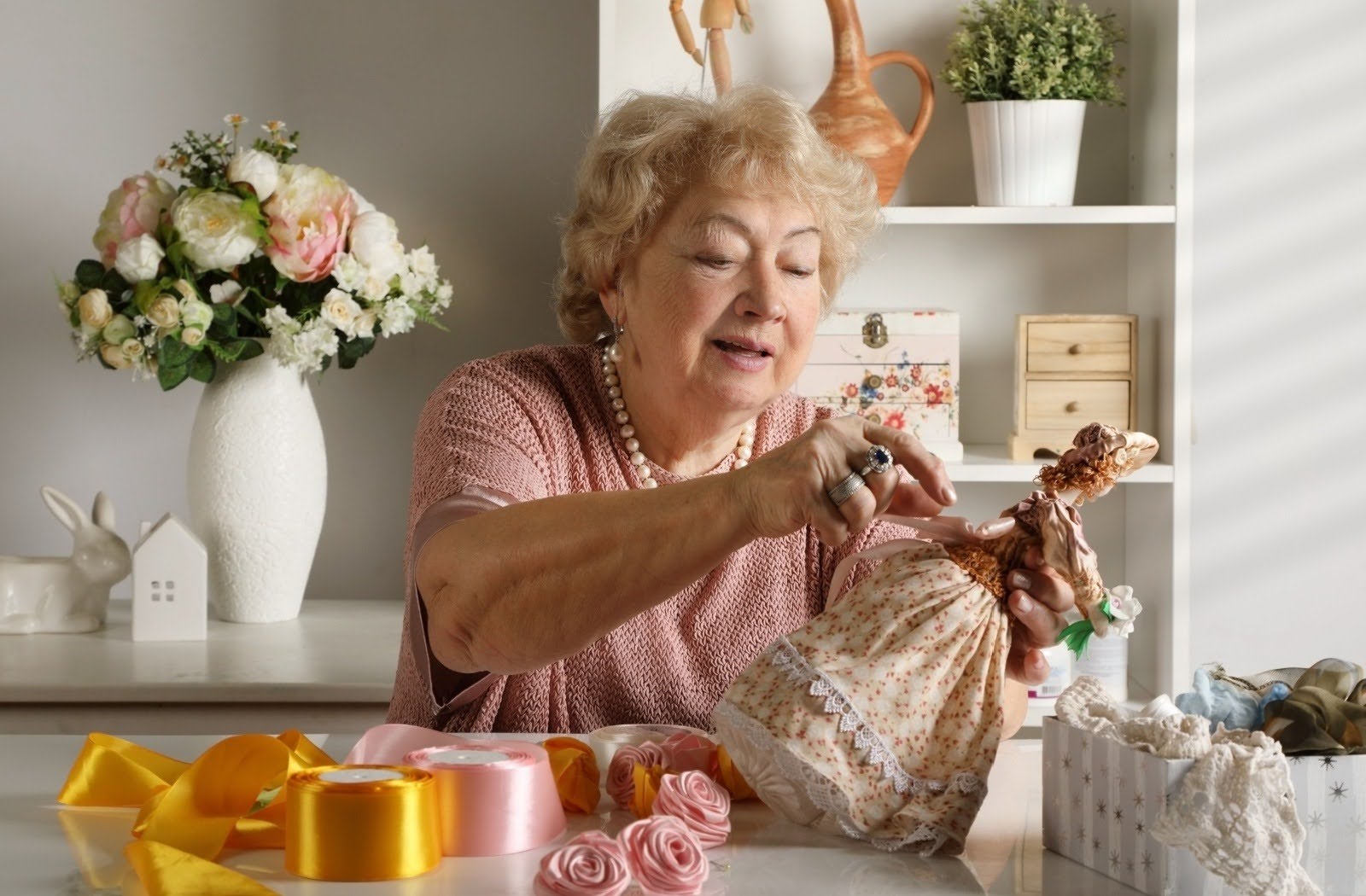
Bring More Creativity Into Everyday Life at Senior Star Dublin Retirement Village
No matter where you or your loved one are in the senior living journey, creative programming can be a meaningful part of daily life. Here’s what to look for as you explore your options:
- Independent Living communities that offer regular craft programming and creative workshops
- Assisted Living options where expression is woven into the daily rhythm of care
- Respite Care that provides a structured, engaging schedule, including hands-on creative time
- Memory Care programs designed around sensory engagement and gentle self-expression
At Senior Star Dublin Retirement Village, creativity is part of how residents connect, grow, and feel at home every single day. If you’re ready to explore a community where love and purpose guide everything, reach out to learn more about life at our community.