

By Senior Star Dublin Retirement Village
Key Takeaways
- Cardio exercise supports heart health, energy, and mood at any age.
- Low-impact options like walking, swimming, and chair-based routines are gentle and effective.
- Aim for 150 minutes of moderate movement per week.
- Warming up and cooling down helps protect your joints and muscles.
- A supportive community can make staying active feel natural and enjoyable.
Why Cardio Exercise Matters for Your Health
You might think cardio means running on a treadmill or pushing through an intense workout. But for many older adults, cardio simply means moving your body in a way that gets your heart pumping, and that can look different for everyone. A morning walk around the neighborhood, a gentle swim, or even a dance class with friends all count.
Cardio exercise can support your heart health, sharpen your thinking, lift your mood, and help you move through daily life with more ease and confidence. It’s one of the most meaningful things you can do for your whole-person wellness, and it doesn’t have to be complicated or intimidating to get started.
The Best Low-Impact Cardio Options for Older Adults
Move at Your Own Pace
Not every cardio workout needs to feel like a challenge. Some of the most effective options are also the most comfortable. Walking is a great place to start. Even 10 minutes around a walking path can help your heart and joints feel better over time. Swimming and water aerobics take pressure off your body while still giving your cardiovascular system a solid workout.
If standing for long periods feels uncomfortable, chair-based cardio routines are a wonderful option. Seated arm circles, leg lifts, and marching in place can all raise your heart rate while keeping you stable and supported. Movement that feels good is movement you’ll actually stick with.
Group Movement and Social Connection
There’s something special about moving alongside other people. Dance classes, group fitness sessions, and water aerobics aren’t just good for your heart, they’re good for your spirit. When you share a rhythm with others, motivation comes naturally and the time goes by quickly.
Group movement connects the physical and social sides of wellness in a way that solo exercise often can’t. You’re not just working out. You’re building relationships, sharing laughter, and finding a sense of belonging. That combination does more for your overall wellbeing than any single workout ever could.
How Often and How Long You Should Move Each Week
A common goal for older adults is around 150 minutes of moderate movement per week. That might sound like a lot, but it breaks down to just over 20 minutes a day, and you don’t have to do it all at once. Short 10-minute sessions spread throughout the day count just as much as a single longer workout.
Rest days matter just as much as active ones. Your body needs time to recover and rebuild, so giving yourself permission to slow down is part of a healthy routine, not a step away from it. Here’s a simple way to think about your weekly movement:
- Aim for at least 5 days of gentle cardio activity per week.
- Mix longer sessions with shorter ones to keep things manageable.
- Plan 1 to 2 rest or light-stretch days to support recovery.
- Listen to how your body feels each day and adjust accordingly.
Simple Ways to Stay Safe and Comfortable During Cardio
Listen to Your Body
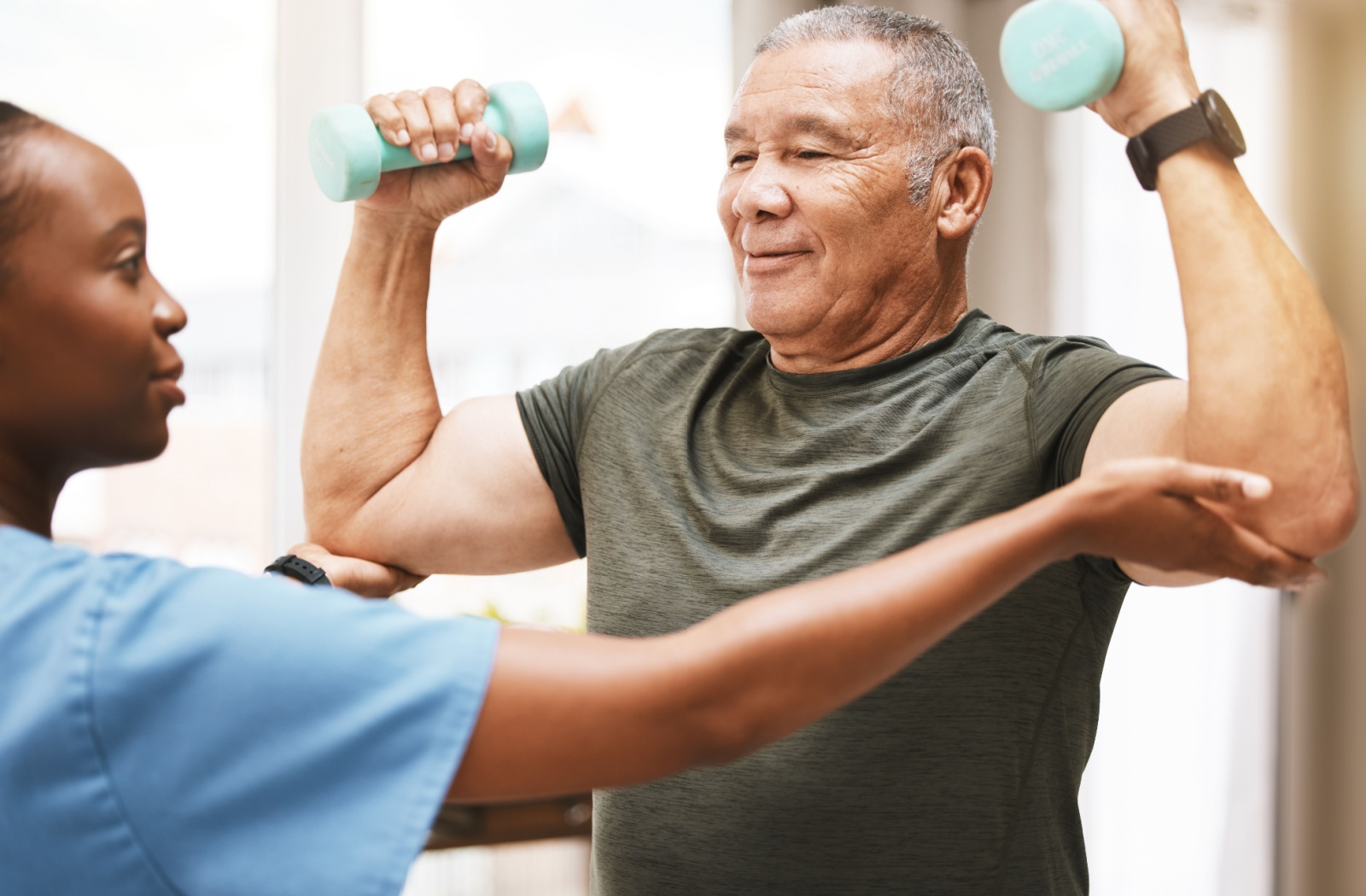
Starting slow is always the right move. If you haven’t been active in a while, even a few minutes of walking is a meaningful beginning. Gradually increase your time and intensity as your body grows more comfortable. There’s no rush, and steady progress adds up beautifully over weeks and months.
Wear supportive, well-fitting shoes and choose even surfaces when you can. Uneven ground increases the risk of trips, so a smooth indoor track or a paved walking path gives you the freedom to focus on how you feel rather than where you’re stepping. Reviewing fall prevention tips for older adults can also help you move with greater confidence.
Warm Up and Cool Down
A 5-minute warm-up before cardio helps your joints and muscles ease into movement instead of being surprised by it. Gentle marching in place, slow arm swings, or easy ankle rolls can make a real difference in how your body feels during and after exercise.
After your session, take a few minutes to stretch gently. Your muscles are warm and more flexible right after movement, making it the ideal time to release any tension and help your body recover smoothly before your next session.
How a Senior Living Community Supports Your Active Lifestyle
At Senior Star Dublin Retirement Village staying active is not an afterthought, it’s woven into the rhythm of daily life. Residents have access to fitness centers, walking paths, and pools designed to support movement that feels joyful rather than forced.
Structured wellness programs connect cardio exercise to a broader focus on whole-person wellbeing, one that celebrates brain power, socialization, nourishment, and inner strength alongside physical movement. Your wellness journey here is supported every step of the way – because movement is one of the most meaningful ways to care for yourself, and in our community, you’re never walking that path alone.
Why not come take a look in person? Schedule a personalized visit today to learn about all the ways we help our residents maintain their fitness and health.