

Key Takeaways
- Sleep cycles naturally shift after age 60, leading to lighter and shorter nighttime rest.
- Physical health needs, low stimulation, and feelings of isolation can all increase daytime sleep.
- Sudden or dramatic changes in sleep patterns are worth paying closer attention to.
- Regular movement, social connection, and purposeful daily routines can restore healthy energy levels.
- A supportive community rooted in whole-person wellness can make a meaningful difference in daily vitality.
Sleep and Aging: What’s Really Going On?
You’ve probably noticed it. A parent or loved one seems to be sleeping more than they used to. Maybe they’re dozing off after lunch, heading to bed earlier, or just seeming more tired throughout the day. It can be worrying, especially when you’re not sure what’s behind it. At Senior Star, we understand how much these moments can weigh on a family. The right information can make all the difference.
As people age, sleep patterns naturally change, and sleeping more during the day is often a normal response to those shifts. Though sometimes, it can signal that something needs a little more attention. Knowing what’s typical and what’s worth noting can help you support your loved one with both care and confidence. Exploring your senior living options is one meaningful step toward finding an environment where those needs are truly met.
How Sleep Patterns Shift as You Age
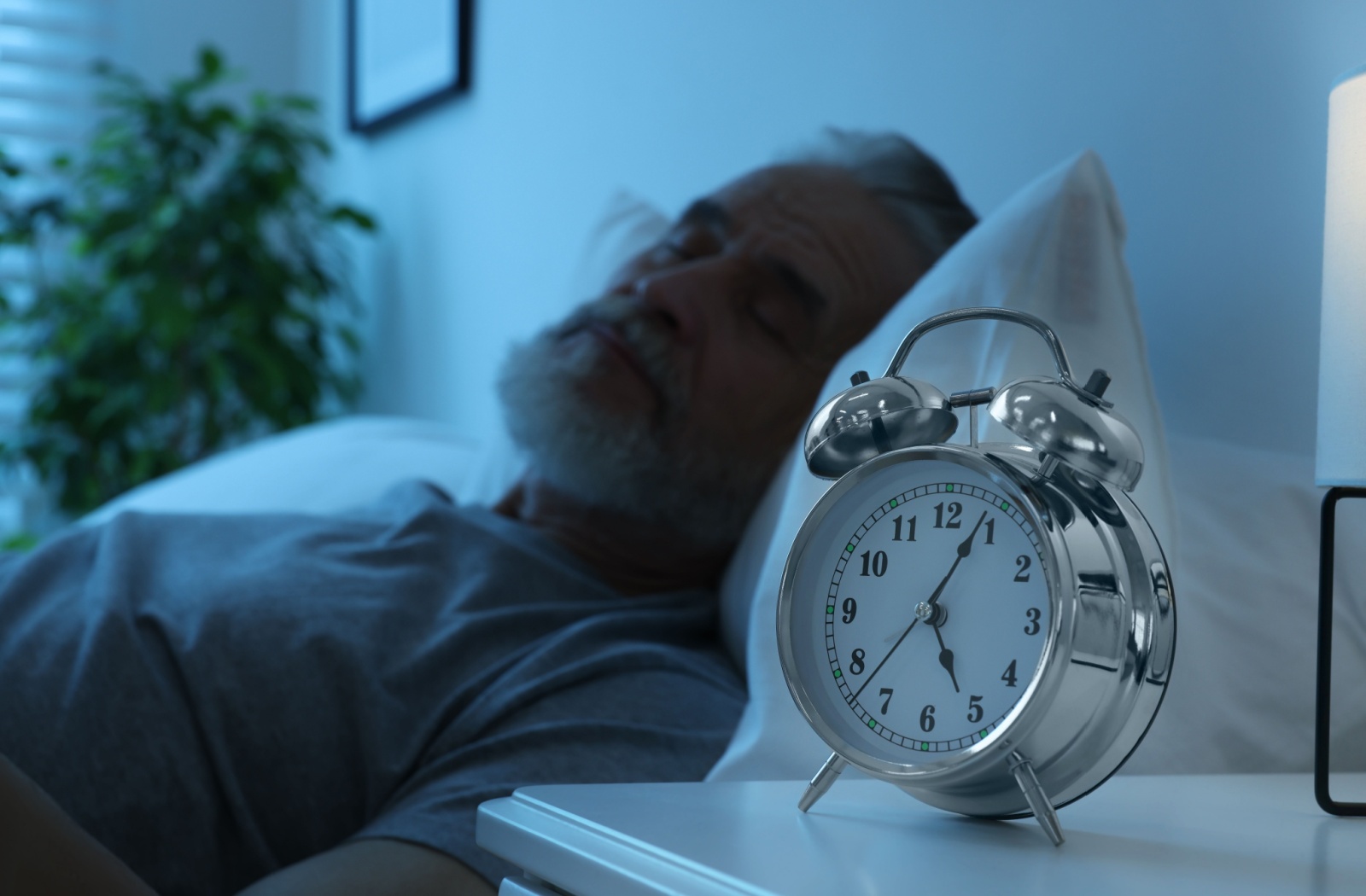
After age 60, the body’s internal clock begins to change. Sleep becomes lighter and more fragmented, meaning your loved one may wake up more often during the night without even realizing it. The deep, restorative stages of sleep (the kind that leave you feeling truly rested) become shorter and harder to reach.
Because nighttime sleep feels less satisfying, daytime naps often fill in the gaps. This isn’t laziness or cause for immediate alarm. It’s the body’s natural way of making up for what it didn’t get overnight. That said, when naps start taking over most of the day, it’s worth looking at a little deeper.
Common Reasons for Increased Sleep in Older Adults
Physical Health and Rest Needs
The body works harder as it ages to recover, repair, and maintain itself. Even routine daily activities can require more energy than they once did. When someone is managing a chronic health condition, that recovery demand goes up even further. Learning more about how the aging body affects thinking and energy can offer helpful context for what your loved one is experiencing.
This kind of fatigue is real and valid. Rest is genuinely part of how the body heals. The key is making sure that rest is balanced with enough movement and engagement to keep energy levels from declining further over time.
Emotional and Mental Well-Being
Feelings of isolation are one of the most overlooked reasons older adults sleep more. When the days feel long, quiet, and unstimulating, the mind and body naturally default to rest. Sleep becomes a way to pass the time rather than recharge for the day ahead. Research confirms that social isolation can significantly affect energy, mood, and overall health in older adults.
Low mental stimulation drains energy just as much as physical exertion does. Without meaningful conversation, creative outlets, or moments of joy to look forward to, your loved one may find themselves sleeping simply because there’s nothing pulling them into the day. Connection and purpose are powerful antidotes to this kind of fatigue.
When More Sleep Might Signal Something Worth Noting
Not all increased sleep is simply a natural part of aging. A sudden or noticeable shift in how much your loved one sleeps, especially if it happens quickly, is worth paying attention to. A conversation with their care team can help rule out underlying causes that may be easy to address.
Certain medications can affect alertness and sleep in significant ways, and adjustments are sometimes all that’s needed. It’s also worth knowing that changes in sleep can sometimes be connected to cognitive shifts. Those living with dementia, for example, may experience disrupted sleep cycles that benefit from gentle, consistent support and routine. A thoughtful memory care environment can help create the kind of structure, comfort, and reassurance that supports more restful days and nights.
How a Supportive Community Can Improve Sleep and Daily Energy
The Role of Movement and Social Connection
Regular physical movement is one of the most reliable ways to support deeper, more restful sleep. Even a short walk or a gentle group fitness class can make a real difference in how well your loved one rests at night. Movement during the day signals to the body that it’s time to be awake, and later, time to sleep. Staying active is one of the most effective tools for restoring natural energy rhythms.
Shared meals and good conversation do something powerful for daily energy, too. When your loved one has people to connect with, like neighbors who know their name, and a table where laughter is part of lunch, they wake up with more reason to engage with the day. That social spark is a genuine wellness tool.
Purposeful Daily Routines That Restore Balance
Structured days that include moments of joy, creativity, and connection naturally reduce the pull toward excessive rest. When someone has something meaningful to do, such as an art class, a group discussion, a garden to tend, they carry more energy throughout the day.
Programs rooted in the Seven Areas of Wellness, including brain power, socialization, expression, and inner strength, are designed to give each day a rhythm that nourishes the whole person, not just the body.
What You Can Do to Support Your Loved One’s Rest and Vitality
If you’re noticing changes in your loved one’s sleep, you don’t have to navigate it alone. The right environment can shift everything. When exploring independent living or assisted living, look for communities like Senior Star, where daily life is built around engagement, purpose, and genuine human connection.
Ask about daily routines that blend meaningful rest with stimulating activity. Ask how the community supports whole-person wellness. Not just physical care, but emotional, social, and spiritual nourishment too.
At Senior Star Dublin Retirement Village, that kind of care isn’t a program on a schedule. It’s simply how each day is lived. Schedule your personalized visit and experience the difference for yourself.