

By Harrison on 5th by Senior Star
Key Takeaways
- Swollen ankles in older adults are often caused by fluid buildup, medications, or changes in circulation.
- Some symptoms, like sudden one-sided swelling or shortness of breath, need prompt medical attention.
- Simple habits like elevating your feet, staying hydrated, and moving regularly can help reduce swelling.
- Daily wellness routines and a supportive living community can play a meaningful role in keeping circulation healthy.
Why Ankle Swelling Happens as You Age
You sit down to put on your shoes, and they feel tighter than usual. Your ankles look puffy, and by the end of the day, that feeling hasn’t gone away. If this sounds familiar, you’re not alone. Swollen ankles are one of the more common physical changes that come with getting older.
Harrison on 5th by Senior Star supports residents in navigating exactly these kinds of daily wellness concerns with care and attentiveness. Exploring senior living options built around whole-body wellness can make a real difference in how you feel each day.
Swollen ankles in older adults are typically caused by fluid buildup, circulation changes, certain medications, or shifts in how the heart, kidneys, or veins function. The good news is that many cases are manageable with the right habits and support.
Common Reasons for Swollen Ankles in Older Adults
Your body’s circulation naturally becomes less efficient over time. When blood and fluid don’t move as freely through your legs, they can pool around your ankles and feet. Sitting or standing for long stretches of time makes this even more noticeable. Balance and circulation challenges that develop with age can follow patterns worth spotting early so you can take action.
Certain medications, including some commonly prescribed for blood pressure, can also contribute to swelling as a side effect. It’s worth paying attention to when the puffiness started, especially if you’ve recently changed or added a medication.
In some cases, swollen ankles can be connected to how the heart, kidneys, or veins are working. These aren’t reasons to panic, but they are reasons to pay attention and talk with a doctor so the right care is in place.
When Swollen Ankles Are a Sign to See a Doctor
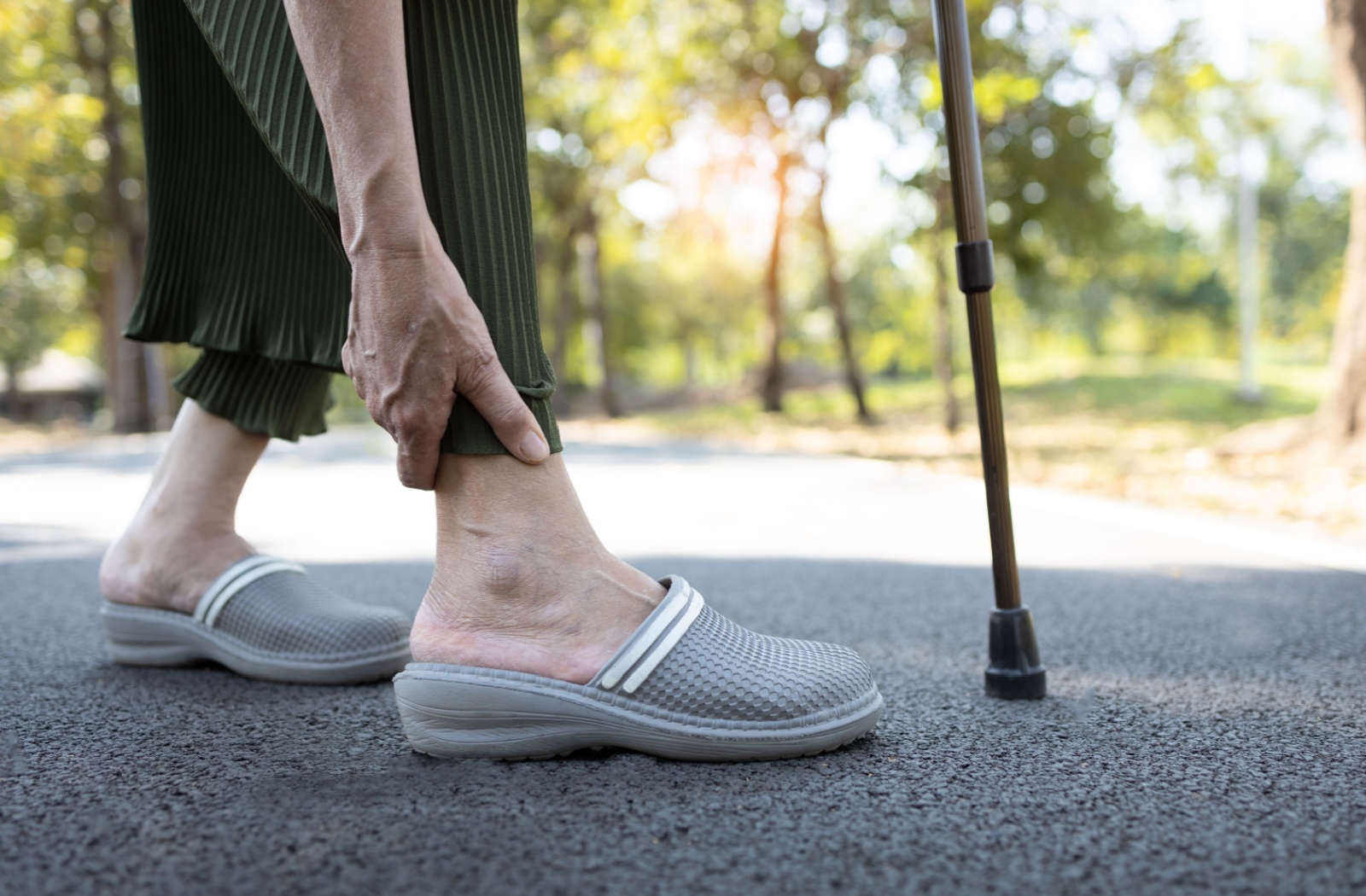
Signs That Need Prompt Attention
Most ankle swelling is manageable, but some symptoms call for a quicker response. Reach out to a doctor soon if you or your loved one notices any of the following:
- Swelling paired with shortness of breath or chest discomfort
- Skin that looks red, feels warm, or is painful to touch
- Sudden swelling in just one ankle, with no clear cause
These signs can point to something that needs medical attention right away. Trusting your instincts here matters. If something feels off, it’s always worth a call.
What to Track Before a Doctor’s Visit
Before the appointment, a little preparation can make a big difference. Keeping track of a few details helps the doctor get a clearer picture, faster.
- When the swelling started and how long it typically lasts
- Any new medications or recent changes in your daily routine
- Related symptoms like unusual fatigue, discomfort, or changes in how you’re feeling overall
Writing these things down gives the doctor something concrete to work with and helps the conversation go further.
Simple Steps to Reduce Ankle Swelling at Home
Movement and Elevation
One of the easiest things you can do is elevate your feet when you’re resting. Propping them up above heart level, even for 20 to 30 minutes, helps fluid drain back toward the rest of your body. It’s a small shift that can make a noticeable difference by the end of the day.
Gentle movement also helps. Short walks around the room or simple ankle circles while seated keep circulation active without putting stress on your joints. Even 5 minutes of movement throughout the day adds up. Low-impact exercises like walking and tai chi are especially gentle on the joints while still keeping things moving.
Hydration and Nourishment
It might feel counterintuitive, but drinking enough water actually helps your body manage fluid more effectively. When you’re dehydrated, your body tends to hold onto fluid, which can show up as puffiness in your ankles and feet.
Cutting back on high-sodium foods also helps. Salt encourages your body to retain water, so swapping salty snacks for fresher options can ease some of that daily swelling over time. Healthy meal planning is a helpful place to start building those habits.
How Daily Wellness Habits Support Healthy Circulation
Circulation doesn’t exist in a vacuum – it’s shaped by how you move, eat, and connect with others each day. Three wellness areas make a real difference here:
- Exercise and Movement: Gentle, consistent activity keeps blood flowing and supports your body’s natural fluid balance.
- Nourishment and Health: Balanced meals with less sodium and more whole foods support your vascular health from the inside out.
- Socialization: Staying connected with others naturally keeps you more active. A walk with a neighbor or a group fitness class does more than you might think.
These habits work together. The more they become part of your daily rhythm, the more your whole body benefits. Staying active and engaged as you age supports not just circulation, but your overall sense of well-being.
How Harrison on 5th Can Support Your Wellness
At Harrison on 5th by Senior Star, care teams are present, attentive, and genuinely invested in each resident’s well-being. Life here means hands-on daily support, including noticing subtle physical changes like ankle swelling and responding with warmth and care before small concerns grow.
From movement programs designed with older adults in mind to chef-prepared dining, life here is built around helping you feel your best. When you’re ready to learn more about our community, contact us or stop by for a visit. We would love to show you around!